Jazz Day: A Bold Display Font for Web Designers and Digital Creators
I recently found myself deep in the design phase of a boutique coaching website, searching for a font that could add character without sacrificing clarity. That’s when I came across Jazz Day—a retro-inspired display font that immediately caught my eye. After testing it across multiple web elements, from hero headers to promotional banners, I can confidently say that Jazz Day brings a unique energy to digital design while maintaining a level of professionalism that works for modern brands.
What Makes Jazz Day Stand Out?
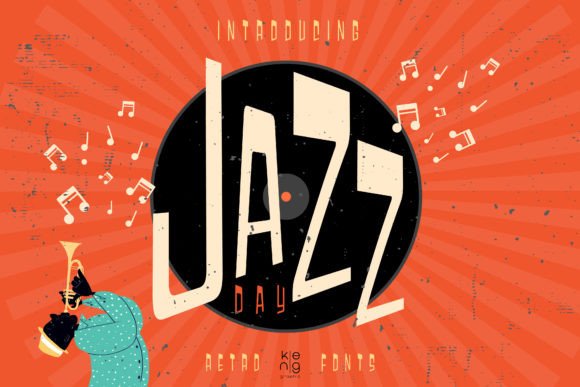
Jazz Day is a comic-style retro display font that feels both nostalgic and fresh. Its bold, slightly exaggerated letterforms evoke a sense of playfulness, making it ideal for creative and lifestyle-oriented brands. Each character is designed with a punchy personality—think thick strokes, subtle angles, and a rhythm that makes text feel dynamic even in static form.
When I first applied it to a hero section for a personal development course landing page, the result was striking. The font immediately drew attention to the headline without overwhelming the supporting copy. It’s the kind of typeface that makes your message feel more memorable, almost like a visual hook that keeps users engaged.
Using Jazz Day in Real Web Design Projects
One of the first places I used Jazz Day was in the main headline of a portfolio homepage. The client wanted a bold, artistic feel that would reflect their creative work. I placed Jazz Day over a full-bleed image banner and was surprised by how well it held up on both desktop and mobile. The font’s clarity and strong outlines made it legible even against complex backgrounds.
Another use case was a boutique online store specializing in vintage-inspired apparel. I applied Jazz Day to category headers and promotional pop-ups. It gave the site a retro flair that aligned perfectly with the brand’s aesthetic. The font also worked well in call-to-action buttons, where its boldness helped guide the user’s eye naturally toward conversion points.
Readability and Responsiveness
While Jazz Day shines in large, impactful settings, I did take note of its limitations in smaller sizes. On mobile navigation bars or form labels, the font’s decorative elements started to blur readability. I found that it works best at 24px and above, especially when used on backgrounds with good contrast.
For digital designers, this means being strategic about where you deploy Jazz Day. It’s perfect for headlines, banners, and section headers but not ideal for long-form content or small interface elements. I always paired it with a clean sans serif like Open Sans or Lato for body text, which created a nice balance between personality and usability.
Font Pairing and Brand Consistency
One of the joys of working with display fonts like Jazz Day is the opportunity to create contrast through pairing. I found that combining it with minimalist sans serif fonts allowed the boldness of Jazz Day to stand out without clashing. For a wellness blog redesign, I used Jazz Day for article titles and a soft serif font for bylines and body content. The result was visually layered yet cohesive.
For branding purposes, Jazz Day can anchor a brand’s visual identity when used consistently across web and social assets. I’ve seen it work especially well for creative agencies, lifestyle brands, and product launch pages where a sense of fun and boldness is part of the core message.
Technical Considerations for Web Use
From a technical standpoint, Jazz Day performed well across modern browsers and devices. I tested the webfont in both WOFF and TTF formats and found load times to be fast, with no noticeable flicker during rendering. The font includes several weights and alternates, which added flexibility to my designs without requiring additional typefaces.
It’s also important to check licensing before using any font commercially. Jazz Day includes commercial use rights, which made it safe to implement in client projects and downloadable brand kits. I made sure to verify multilingual support as well, especially for a project targeting an international audience.