Schofield: A Playful Display Font for Lively Editorial Designs
Choosing the Right Typeface for a Children’s Lifestyle Blog Redesign
While redesigning a small lifestyle blog focused on family activities and early childhood education, I found myself searching for a typeface that could carry the brand’s cheerful tone without sacrificing readability. The content needed to feel approachable, but also trustworthy—something that could work in headers, pull quotes, and feature graphics. That’s when I came across Schofield, a display font that immediately stood out for its balance of whimsy and clarity.
Visual Personality and Editorial Appeal
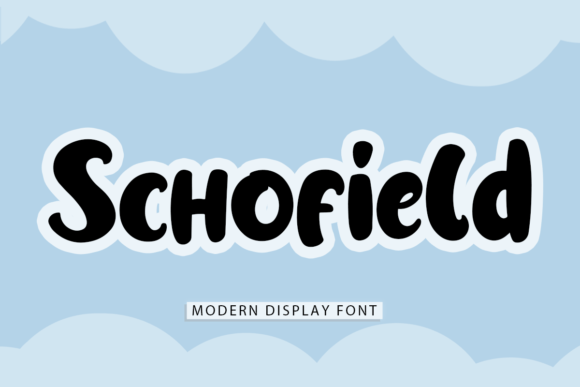
Schofield is a display font with a soft, rounded structure that gives it a friendly and accessible feel. It’s not overly stylized like many playful fonts, which often sacrifice legibility for charm. Instead, Schofield maintains a clean rhythm and open spacing, making it surprisingly readable at larger sizes. The letterforms are slightly bouncy, with subtle variations in stroke weight that add visual interest without distraction. It feels like a modern reinterpretation of classic children’s book typography—familiar but fresh.
When used in blog headers and newsletter banners, Schofield brought a sense of warmth and personality to the layout. It paired especially well with soft pastel color palettes and hand-drawn illustrations, enhancing the overall editorial mood without clashing with the visual elements. For a publication that wanted to feel both educational and fun, Schofield became the perfect typographic anchor.
Real-World Applications in Digital Publishing
In testing Schofield across multiple editorial formats, I found it most effective in short bursts—such as article titles, call-out quotes, and chapter openers. It worked beautifully in a recipe ebook I was designing for a client who wanted a light-hearted aesthetic. The font’s rounded edges and airy spacing gave the digital guide a playful tone, especially in the cover title and section headers.
- Blog headers and newsletter titles
- Magazine cover text and digital zine headers
- Printable planners and coaching workbooks
- Course PDFs and editorial feature pages
Its charm also made it a strong contender for a wedding guide I was laying out—particularly in the “Things to Do” checklist section, where a bit of typographic flair helped highlight key activities without feeling too formal. However, I avoided using it in longer body copy or small captions, where its decorative qualities could become distracting.
Readability Considerations Across Formats
One of the first things I tested was how Schofield performed on mobile screens. At headline sizes—roughly 24px and above—it remained crisp and easy to read, even on smaller devices. In print formats like coaching workbooks and printable planners, the font held up well in both black-and-white and color layouts, especially when given enough white space around it.
That said, Schofield is not ideal for long-form body text. Its decorative strokes and lack of fine contrast make it less suitable for dense paragraphs or footnotes. For these, I always paired it with a clean sans serif or a readable serif font to maintain visual hierarchy and reader comfort.
Font Pairing and Design Integration
For editorial design, Schofield shines when paired with more neutral typefaces. I often used it alongside a modern serif like Playfair Display for article intros and pull quotes, or a minimalist sans like Open Sans for navigation menus and captions. This created a balanced contrast between expressive headers and functional body text.
In a recent digital magazine layout, I applied Schofield to all section openers and feature titles, while using a clean sans serif for subheadings and body content. The result was a publication that felt both lively and cohesive. The font also worked well in logo design mockups and social media graphics, where a bit of typographic personality was needed to draw attention without overwhelming the message.
Technical Features and Licensing
Before committing to Schofield for client projects, I made sure to review the font’s technical specs. It comes with a variety of weights and includes ligatures and alternate characters, which are handy for customizing headlines. The multilingual support is solid, covering Western and Central European languages, which is especially useful for international creators.
It’s important to note that Schofield is best used as a display font, not for extended reading. Also, always check licensing terms before embedding it in ebooks, templates, or commercial printables. Most premium display fonts like Schofield come with commercial licenses, but it’s wise to confirm that the usage rights cover your specific project—especially if you’re distributing the font within a downloadable product.