Sia Display Typeface: A Web Designer’s Joyful Typographic Discovery
Picture this: I was deep into a redesign for a boutique wellness brand, trying to find a font that could capture both personality and professionalism in the hero section. I had cycled through dozens of sans serifs and modern serifs, but nothing felt quite right. Then I dropped in the Sia Display Typeface and everything changed. It brought a lightness, a playful charm, and a strong sense of identity to the layout—without sacrificing readability or brand clarity.
What Makes Sia Display Typeface Stand Out in Web Design?
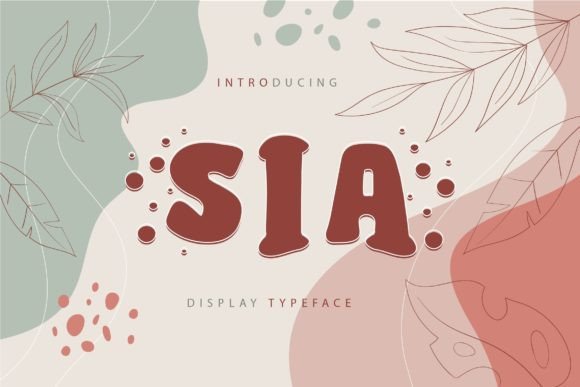
Sia is a bubbly, handcrafted display font that feels youthful, energetic, and approachable. At first glance, it’s clearly not meant for long blocks of body copy—this is a font that wants to be seen in headlines, callouts, and branding elements. It has a slightly uneven baseline and soft curves that give it a hand-drawn, almost whimsical personality. But what surprised me during testing was how well it held up in real digital layouts.
When used at larger sizes—especially in hero sections, feature headers, or landing page titles—it reads clearly and adds a strong emotional tone. The font includes a variety of ligatures and alternate characters, which is a nice touch for web designers looking to add subtle customization without overdoing it. It also supports multilingual characters, which is a must when designing for global audiences or multilingual websites.
Testing Sia in Real Web Layouts
One of the first places I tried Sia was in the hero section of a coaching website. The layout had a soft watercolor background with a white overlay, and the headline needed to pop without feeling too serious. I set the main header in Sia at 48px with a bold weight, and it worked beautifully. The font had enough contrast and character spacing to remain legible, and the soft curves balanced the organic background perfectly.
I also tested it on a product landing page for a creative course. The headline was “Unlock Your Creative Flow,” and I wanted something that felt less corporate and more inspiring. Sia gave it a fresh, almost handwritten feel that resonated with the target audience of creatives and entrepreneurs. I paired it with a clean sans serif for the body text, and the contrast worked like a charm.
Where Sia Display Typeface Shines Online
- Hero Titles – Perfect for bold, eye-catching headlines that set the tone of a page.
- Call-to-Action Buttons – Works well at medium sizes for buttons that feel friendly yet intentional.
- Logo Text – Ideal for brands that want a soft, personable identity without feeling too informal.
- Blog Headers – Adds a touch of character to editorial layouts without distracting from the content.
- Brand Identity Sections – Great for “About” or “Our Story” sections where warmth and personality matter.
In each of these cases, Sia brought a sense of joy and creativity to the design without making the site feel unprofessional or hard to navigate. It’s a font that works best when used selectively—think of it as the sprinkle on top of your digital design sundae.
Readability Considerations for Web Use
While Sia is a strong performer in larger display contexts, it does have some limitations. It’s not ideal for small navigation labels, form fields, or long-form body text. On mobile, I found that anything below 24px started to lose clarity, especially on dark backgrounds or image overlays. That said, with proper contrast and spacing, it still works well in responsive designs when used thoughtfully.
I also tested it on a dark mode version of a landing page and found that a lighter weight of Sia looked a bit washed out. In those cases, sticking with a bold or regular weight helped maintain legibility. For best results, I recommend using it on light backgrounds or with a subtle drop shadow if placing over images.
Font Pairing Tips for Web Designers
One of the most enjoyable parts of working with Sia was experimenting with font pairings. Since it’s such a distinctive typeface, it benefits from being paired with something clean and minimal. I had great results using it with Montserrat for body text and button labels, and even tried a Playfair Display pairing for a more editorial feel on a blog redesign.
Here are a few combinations that worked well:
- Sia + Montserrat – Clean, modern, and highly readable across devices.
- Sia + Lora – Adds a touch of elegance and works well for creative or lifestyle brands.
- Sia + Open Sans – A safe, accessible pairing that keeps the design feeling friendly and approachable.
When pairing, I always made sure to keep the body text simple and let Sia take center stage in headers and key visual elements. This helped maintain a clear visual hierarchy and ensured the font didn’t overwhelm the layout.
Final Thoughts for Web Designers and Digital Creators
If you’re working on a project that needs a little personality without sacrificing usability, Sia Display Typeface is worth a closer look. It brings a sense of warmth and creativity to digital spaces, and when used thoughtfully, it can elevate your brand identity and user experience. Just remember to use it where it shines best—headlines, logos, and decorative accents—and pair it with clean, legible fonts for the rest of your layout.
Before implementing it on a live site or client project, make sure to check the font licensing terms, especially if you're using it for commercial websites, online stores, or downloadable brand kits. Sia typically includes PUA encoding, which helps with glyph accessibility in design tools, and most versions support a wide range of webfont formats like WOFF and TTF.
For web designers looking to inject a bit of joy into their layouts, Sia is more than just a font—it’s a design tool that brings emotion, clarity, and style into every pixel.