Squid: A Bold Display Font for Web Designers Who Dare to Stand Out
Testing Squid in a Hero Section: First Impressions
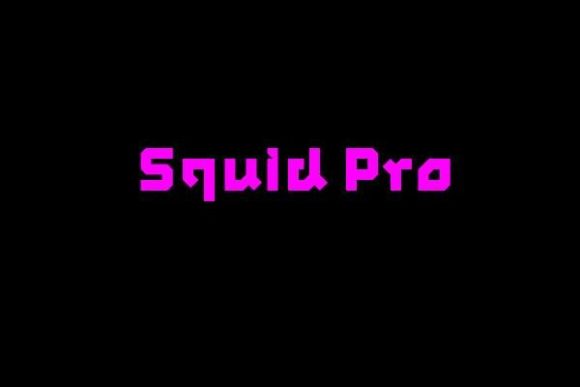
As a web designer always on the hunt for display fonts that command attention without sacrificing usability, I recently tried Squid in a hero section for a creative portfolio site. Right away, the bold, thick letterforms gave the design a strong visual anchor. Designed by Felix Braden, Squid isn't subtle—it's a confident, punchy typeface that immediately adds character and energy to digital layouts. I dropped it into a simple hero banner with a dark background and white text, and the contrast was instant. It felt like the site had a new voice—one that’s bold, a little edgy, and totally unafraid to be seen.
Performance Across Devices: How Squid Holds Up
One of the first things I checked was how Squid performs across devices. I previewed the font on mobile, tablet, and desktop, and was impressed by its clarity even at smaller sizes—though I wouldn’t recommend it for anything below 18px. On mobile, the heavy strokes still read clearly but start to lose some of their definition when scaled down too much. For landing pages or online shop banners, it works best as a headline font or for short calls to action. It’s not ideal for body text or navigation labels, where readability and accessibility are critical.
When used for a product landing page headline, Squid made the copy feel urgent and exciting. Paired with a clean sans serif for supporting text, it created a strong visual hierarchy that guided the eye naturally. I also tested it over a full-width image banner, and while the contrast needed some tweaking, the font held its own without getting lost in the background.
Brand Identity and Emotional Appeal
What really stood out about Squid was how it helped shape the brand identity of the site I was designing. The client wanted to feel modern, bold, and a little rebellious—Squid delivered all three. This creative font has a dynamic personality that’s hard to replicate with more standard web-safe fonts. It’s not just a visual choice; it’s a tone-of-voice decision. When used thoughtfully, it can make a brand feel more confident and expressive.
I also tested it across different color schemes—white on black, black on white, and a few accent colors like deep navy and burnt orange. In every case, the font maintained its strong presence. On a course sales page, it gave the headline a motivational punch. On a blog redesign, it added editorial flair to post titles without overwhelming the layout.
Font Pairing Tips for Better Web Layouts
Since Squid is so bold and decorative, I found it worked best when paired with something minimal. For example, pairing it with a clean sans serif like Open Sans or Lato kept the design from feeling too busy. For a portfolio homepage, I used Squid for the navigation menu in a dark theme and paired it with a light, airy body font for balance. The contrast made the menu feel like a statement piece rather than just a utility bar.
On a digital brand kit project, I explored pairing Squid with a simple serif font for subheadings. The result was a modern-meets-traditional vibe that worked surprisingly well for a lifestyle brand. The key was keeping the supporting typography clean and unembellished to let Squid shine.
Limitations and What to Watch For
While Squid is an excellent choice for hero titles, section headings, and branding accents, it’s not a one-size-fits-all solution. I wouldn’t recommend it for long-form content or small interface elements like form labels or tooltips. The thick strokes and decorative details can make it hard to read in dense blocks or at tiny sizes.
I also noticed that on very busy backgrounds or in low-contrast situations, the font can start to blend into the design rather than stand out. So if you’re using it for social media graphics or digital ads, make sure to test it against different image overlays and background colors before finalizing the layout.
Before using Squid in client work or online store designs, I recommend checking the webfont formats included in the package. Make sure it supports WOFF2 for faster loading and better compression. Also, verify multilingual support if your audience includes non-English speakers. And of course, confirm the commercial font licensing terms—especially if you’re using it for digital templates or brand assets that will be distributed widely.